why is the bible called the bible
Video Why the bible is called the bible The Bible takes its name from the Latin Biblia (‘book’ or ‘book’) derived from the Greek word Ta Biblia (‘the books’) which originated in the port city Gebal of the Phoenicians, called Byblos to the Greeks. The script is associated with Byblos as an exporter of papyrus (used in the text) and the Greek name for papyrus is bublos. centuries, collected in one book. The Bible contains poetic works, religiously themed narratives, philosophical reflections such as the Book of Ecclesiastes, epistles, and the apocalyptic masterpiece known as the Book of Revelation. is the existence of an almighty god who created the universe and has an interest in personal life and the ultimate destiny of man. The books of the Christian Bible are arranged in the sequence one finds today to tell the story of the creation of the world by a supreme god, the fall of man from heaven, and the fall of man from heaven. redeemed mankind by the Son of God but these books were not written in that order nor did the original writers of the Old Testament writings have that particular story in mind. and Tanakh (stories about judges and prophets) and makes no mention of Jesus Christ. The God of the Bible in these writings is the God of Judaism – a single almighty god – and, before early Christianity usurped the Hebrew scriptures, the stories that make up the Bible tell of God’s care and intervention. in the work of the Israelites in the Middle East.
Structure of the Bible
In Judaism, the scriptures are called the Tanakh and are recognized as consisting of 24 books divided into three categories: the Pentateuch (or the Teachings of the five books of Moses), the Prophets, and the Texts. Christianity, having appropriated Tanakh and claiming it as their own early theological history, called it the Old Testament. Early Christian authors, many years after the probable date of Jesus’ death, wrote the Gospels and the Book of Acts. The apostle Paul wrote most of the epistles that make up the 27 books of the Christian New Testament and their theology informs the gospels. The Book of Revelation, written by John of Patmos, is the last book of the Christian Bible. The exact composition of the books that make up the Bible is difficult to date, but scholars generally agree that the Pentateuch dates back to the 10th and 6th centuries BC and that the Tanakh is fixed. city before the first century AD. The Christian New Testament books were composed between 60-110 C.E. (Gospels), 45-130 C.E. (Letters), and 68-100 (St. John’s Revelation). Many people of the ancient world, and even today, believe that the Bible was written by God. It is considered a bestseller in history and has influenced religious thought worldwide for centuries. about the people in the Garden of Eden, and the great flood that God sent to the earth because of man’s evil. After the flood, the children of Noah recreated the earth and the story then follows the story of his descendants who were the Jewish ancestors of those who wrote the story. The story of Joseph and his colorful coat brought the Jews from their land of Canaan to Egypt, where, as the Book of Exodus explains, they became slaves. | Top Q & AThey were led from Egypt to freedom by the great jurist Moses, who then passed his leadership over to Joshua, the second son of Nun, whose troops landed in the region. Canaan so that the Jews could claim it as the land promised to them by their God (as told in the Book of Joshua and Numbers). After the establishment of the self-proclaimed Israelites in the land, famous kings like David and his son Solomon ruled and great prophets like Jeremiah and Isaiah, Ezekiel and Jonah preached the will of their God. and the teaching of Jesus Christ, the son of God sent to redeem mankind from sin. Jesus was born of the virgin Mary and began his ministry, preaching a direct and personal relationship with God, when he was about 30 years old. He was betrayed by one of his disciples and crucified by the Romans for inciting seduction. Three days after his death, he rose from the grave and ascended to heaven to rule at the right hand of God his father. In his place, he sent the Holy Ghost, who would henceforth minister to the believers on earth. The New Testament ends with a vision of the end of the world as told by John of Patmos.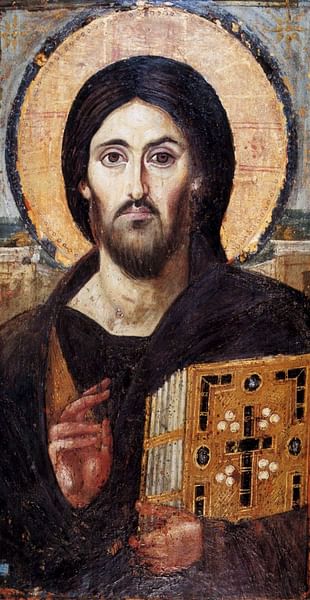 The first four books (Matthew, Mark, Luke, and John) are often thought of as eyewitness accounts of Jesus’ earthly ministry, but they are not. The practice of writing under the name of a famous person or at least attributing what was written to someone more famous was established by the time the gospels were written, and is likely to be the authors have chosen the names of people who have also had good reason to believe that gospel stories (both those included in the Bible and those that were disproved) are examples of a genre literature is known as Mesopotamian Naru Literature. in which some great historical figure (usually a king) is inserted into another fictional story. In the case of the gospels, it is thought that there may have been a historical figure like Jesus of Nazareth, who inspired stories and legends but the truth about his life. the person’s life is overshadowed by the genre in which they are written, which focuses on conveying culturally or spiritually important Truths, unrelated to history. Because the gospels predate the Book of Acts and the Epistles of Paul in the New Testament, many people seem to believe that these writings were written first and that the events associated with them occurred sooner rather than later. than. book; actually, the opposite is true. Paul’s letters were written first and the Gospels were later. In fact, Paul’s vision informs all four gospels in the Bible and the Book of Acts. Between 42-62 C.E. The Scriptures themselves in the Book of Acts and 1 Peter hint at the possibility, discovered deeply in the late 19th and early 20th centuries C.E., that Paul’s version of Christianity differs from the message preached by Jesus of Nazareth. Paul (formerly Saul) of Tarsus was a Jewish pharaoh in Tarsus (in present-day Syria) who claimed to have received a vision from God that convinced convinced him of the reality of Jesus Christ as the resurrected son of the sentient universe creator. Earth to die for the sins of man. It is likely that beliefs such as the Cult of Isis informed the foundation of Paul’s religious views. Biblical understanding between the time Constantine I advanced Christianity (which would become the religion of Rome in the 4th to 5th centuries AD) and the next few hundred years remained relatively unchanged until the end of the world. Protestant reform in the 16th century C.E. but, in the 19th century C.E., the interpretation of the Bible underwent a radical reform.
Biblical Knowledge & Archeology of the 19th Century C.E
The stories told by the Bible were considered historically accurate and completely unique until the mid-19th century C.E. when archaeologists discovered the civilizations of Mesopotamia and Egypt. In fact, the Bible was considered to be the oldest book in the world until much older literatures were discovered that told similar stories, in an earlier form than those found in the Bible. . Scholars have long known that the Bible is a compilation gathered from earlier works and authorized by the Bishops of Rome, but no one seems to know that those writings were drawn from works even earlier. No one could read Egyptian hieroglyphs until Jean Jacques Champollion (1790-1832 AD) deciphered them, and Sumerian literature was completely unknown to the modern world.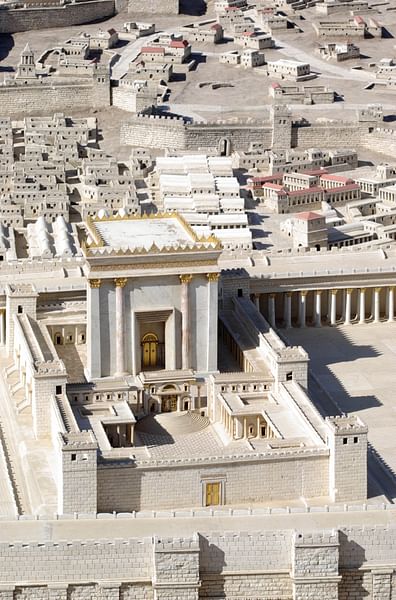 In the mid-19th century, AD museums and publications sent archaeologists from the West to Mesopotamia to find physical evidence to support the Biblical stories. The 19th century C.E. was an exciting time for religion in the West, especially Christianity, as people became more vocal in criticizing their faith and new ideas and philosophies provided for them. provide acceptable alternatives to religious beliefs. Charles Darwin’s On the Origin of Species By Method of Natural Selection was published in 1859 C.E. and challenged the traditional belief that mankind was created by an almighty god. ” (Psalm 8:5) while Darwin claimed mankind evolved from lower species. In 1882 C.E., the German philosopher Nietzsche published his Homosexual Science, with the famous argument “God is dead – and we killed him.” Nietzsche’s quote is almost always taken out of context as a blunt denial of religion, but in reality he is simply stating that advances in technology and knowledge during the 19th century C.E. has rendered the concept of God obsolete. In part in response to those claims, museums and predominantly Christian societies in the West sent these archeological groups to Mesopotamia to find elusive evidence of the truth of the Bible. St. buried under the sand for centuries. They found that iconic stories like the Fall of Man and the Great Flood were not unique to the Bible but were written centuries before the Jewish scribes corrected them. them in their own works. The Great Code of Moses, believed to be the first in history, is found to have a predecessor in the Ur-Nammu Code and the more famous Code of Hammurabi. about the Jewish enslavement under the pharaoh of Egypt as well as any other details found in the Book of Exodus. As ancient Egyptian hieroglyphs were readable, Egyptian myths were found to bear similarities with Christian figures of the dying and resurrected god and Mary, the mother of Jesus. , has brought many characteristics and epitaphs of the Egyptians. goddess Isis. As the stories of these discoveries became more widely known, belief in the Bible as God’s word began to change into an understanding of the work as inspired by God or as the verse written by God. inspired people.
Inference
Although many people around the world today continue to believe in the Bible as the authoritative word of God, this belief is not as widespread as it was before the 19th century C.E. Biblical interpretation today is largely a matter of individual understanding without the social expectations that have informed Western society before the work of scholars, archaeologists, and historians in the past. 19th century C.E. understanding of history and the Bible and opening up avenues of inquiry, helping to broaden people’s understanding. The revised understanding of the Bible and its place in history annoyed many at the time and continues into modern times, but for many others the beauty of the biblical language and The great vision of redemption it presents remains unclouded by revisionist revelations. of the 19th century AD. The Bible continues to inspire and encourage people around the world, being translated into every language and remaining an all-time bestseller. Read more: Why does my dog snort like a pig
Last, Wallx.net sent you details about the topic “why is the bible called the bible❤️️”.Hope with useful information that the article “why is the bible called the bible” It will help readers to be more interested in “why is the bible called the bible [ ❤️️❤️️ ]”.
Posts “why is the bible called the bible” posted by on 2021-08-29 15:55:05. Thank you for reading the article at wallx.net